


Toxic Threat: Will Uranium Mining Destroy Namibia’s Largest Drinking Water Source?
Updated: Apr 22
The Looming Crisis in the Stampriet Transboundary Aquifer
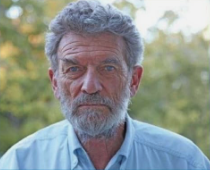
A catastrophic environmental and economic crisis is brewing beneath our feet. According to expert geologist Dr. Roy Miller, planned uranium mining in the Stampriet Transboundary Aquifer threatens the primary drinking water source for Namibia, Botswana, and South Africa.
Headspring Investments currently holds exploration licenses covering 60% of the Stampriet basin. If the Environmental Commissioner caves to political pressure and grants clearance, irreversible damage could soon follow.
Why is In Situ Leach Mining So Dangerous?
The mining companies plan to use a highly controversial method called in situ leach mining. This process involves drilling thousands of boreholes and injecting chemical solutions, like weak sulfuric acid mixed with strong oxidants, directly into the water-filled Auob Formation to dissolve the uranium.
Here is why this is a recipe for disaster:
Extreme Toxicity: The mining solution can contain uranium levels up to 30,000 times above WHO safe drinking water limits, alongside toxic heavy metals like arsenic, lead, and cadmium.
Uncontrollable Leakage: Up to 70% of old boreholes in the basin show signs of leakage. Combined with natural faults and fractures in the rock, these pathways ensure that toxic mine solutions will inevitably escape into surrounding clean drinking water zones.
Rapid Spread: Current agricultural irrigation pumps 700 cubic meters of water per hour continuously. This massive hydrological pressure creates groundwater flow patterns that could rapidly spread the toxic contamination tens of kilometers away.
The Human and Economic Fallout
This isn't just an environmental issue; it is a threat to our survival. If the water is poisoned, the impact will be devastating:
80,000 people and 1,300 farms rely entirely on this aquifer for safe drinking water.
The local agricultural sector, which employs over 13,000 people and generates crops and livestock valued at over 1 billion N$, would collapse.
Namibia's economy would suffer massive blows as trust in our food products vanishes, the tourism sector declines over water safety fears, and banks face defaulting agricultural loans.
Listen to the Full Briefing
Education is our strongest weapon against this threat. SAUMA (Stampriet Aquifer Uranium Mining Association) recently hosted a detailed briefing on this crisis. To fully understand the scale of the danger, please listen to our podcast summaries, available in three languages:
English:
Afrikaans:
German:
Please share these podcasts globally, especially with friends and family in Namibia, Botswana, and South Africa!

Take Action: Protect Our Water, Protect Our Future
Legal action is currently our only defense against this impending disaster. SAUMA (Stampriet Aquifer Uranium Mining Association) is leading the fight, but we need your help.
How you can help today:
Become a Member: Membership is free! Visit our website to join and stay informed.
Donate to the Legal Fund: Financial contributions are urgently needed to fund the legal battle against these mining operations. (Account details here)
Spread the Word: Share this article and the podcasts to raise public awareness.
Water is life. Let's stand together to protect it.


