Beyond Crisis Management: Why Agriculture Must Lead Southern Africa’s Shift to Protect Scarce Water Resources.


For decades, agricultural producers across Southern Africa have operated under a familiar and frustrating cycle. A severe dry period hits, crops wither, grazing lands deteriorate, emergency drought relief is deployed, and farming communities scramble to rebuild before the next dry spell arrives.
This reactive approach to climate shocks is not sustainable.
As highlighted in recent national policy discussions following Namibia’s presentation at the UNCCD COP17 High-Level Segment on Drought and Water Day, dry spells can no longer be treated as isolated, short-term emergencies.
Instead, drought resilience must be recognized for what it truly is: a foundational economic and agricultural priority.
At SAUMA, we strongly endorse this shift in perspective.
For our members; the farmers, livestock producers, and agricultural value-chain actors who keep food on the region's tables, drought is not a distant policy threat; it is an ongoing operational reality that directly impacts rangeland health, herd viability, and regional food security.
The Economic Reality for Farmers and Pastoralists
When severe drought strikes, the agricultural sector bears the heaviest burden. With a massive proportion of regional land dedicated to pastoral and livestock production, recurring dry periods erode household income, force destocking at depressed prices, and strip rural communities of their productive capital.
Emergency disaster relief, while necessary when disaster strikes, often arrives too late to protect the core productive assets of a farming enterprise.
To build a genuinely resilient agricultural sector, public and private sector stakeholders must collaborate on proactive, structural solutions before climate shocks escalate into economic crises.
Protecting Our Vital Water Resources: The Stampriet Aquifer
Proactive resilience is not just about managing surface water; it is fundamentally about protecting our irreplaceable underground reserves.
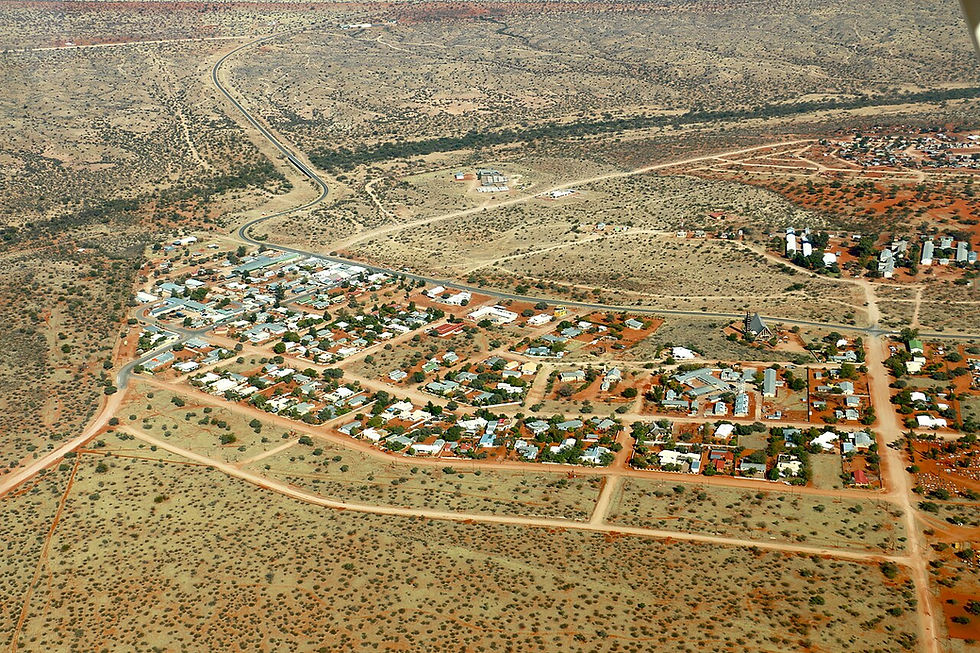
A prime example is the Stampriet Artesian Basin (Aquifer), a crucial lifeline that provides precious drinking and agricultural water across vast arid regions of Southeastern Namibia, neighboring Botswana and South Africa.
Protecting this vital transboundary groundwater reserve from industrial contamination is non-negotiable for our long-term agricultural survival.
Safeguarding the Stampriet Aquifer means safeguarding the future of our rural livelihoods and regional food security.
Get Involved: Join SAUMA Today!
Building true resilience requires a united front. We invite all producers, industry leaders, and agricultural advocates to join our movement and help shape a sustainable future for Southern African farming.
Protect Our Water: Take a stand with us in advocating for the strict protection and sustainable management of critical groundwater reserves like the Stampriet Aquifer.
Become a SAUMA Member: Sign up today for a free SAUMA membership to gain access to a collaborative network dedicated to protecting our scarce resource.
Follow Water Security Updates with Wolfi: Stay informed and ahead of the curve! Head over to our social media channels to follow along with our ongoing Water Security Updates with Wolfi, where we break down ground-level water data, regional drought forecasts, and practical conservation strategies for your farm.
Together, we can shift the narrative from surviving the next drought to building a resilient, sustainable agricultural sector built to last.
Acknowledgment & Reference:
This blog post was inspired by and adapted from coverage by The Brief reporting on Namibia's strategic policy statements presented by Environment, Forestry and Tourism Minister Indileni Daniel at the UNCCD COP17 High-Level Segment on Drought and Water Day.